Deven McAfee
6 Important Spring Driving Safety Tips Every Driver Should Remember
Stay Safe on the Road This SpringAs winter fades and the days get warmer, it’s easy to assume driving becomes less hazardous. But spring weather brings its own challenges—from unpredictable storms...
Stay Safe on the Road This Spring
As winter fades and the days get warmer, it’s easy to assume driving becomes less hazardous. But spring weather brings its own challenges—from unpredictable storms to increased animal activity—that can catch drivers off guard. Staying prepared and alert can make all the difference as the seasons change.
Below are six essential spring driving safety tips to help you navigate the roads confidently and safely.
1. Prepare for Strong Sun Glare During Commute Hours
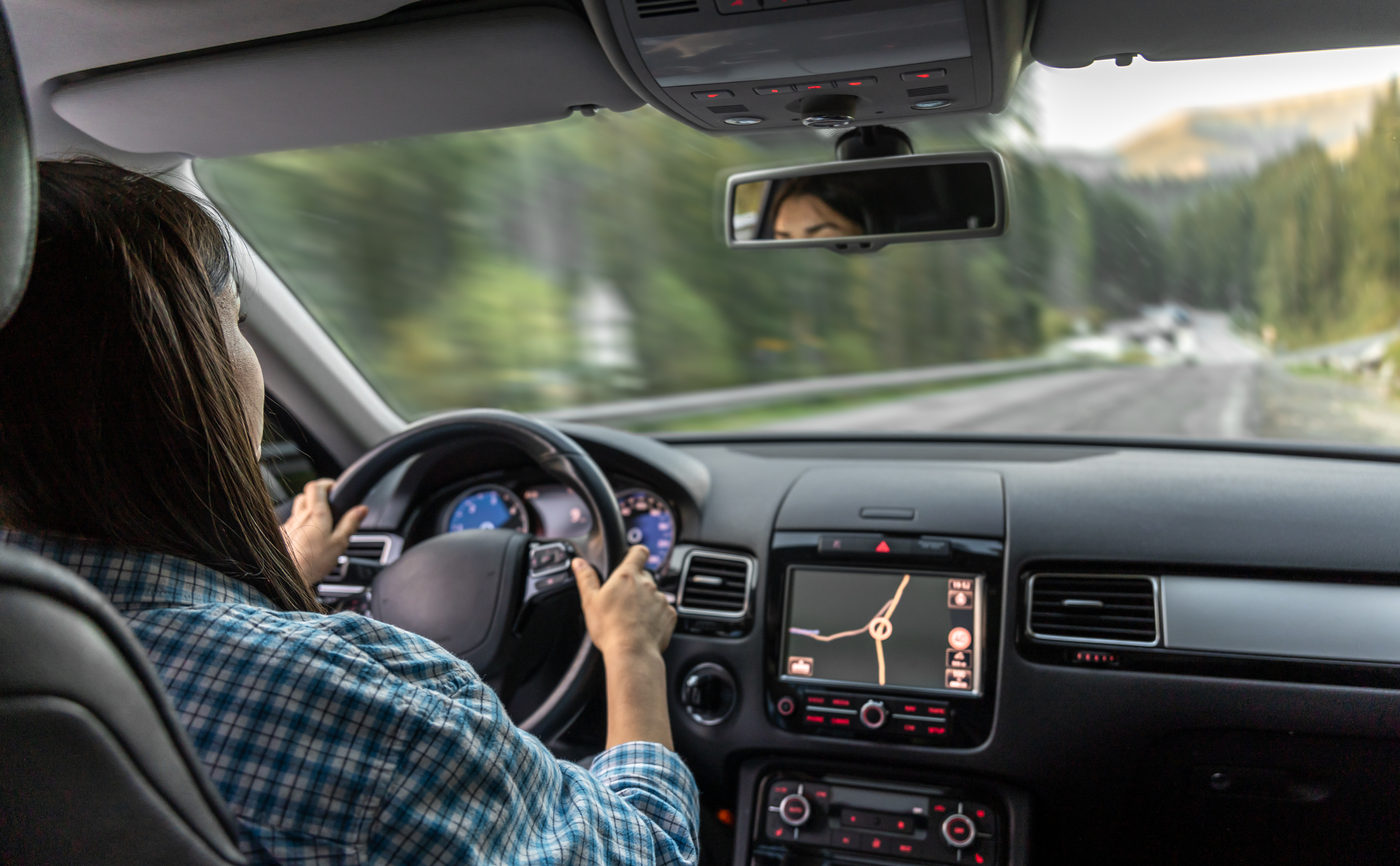
One of the most common yet overlooked spring hazards is sun glare. During sunrise and sunset, the sun sits at an angle that can shine directly into your windshield, dramatically cutting your visibility. This glare can make it difficult to see pedestrians, traffic signals, nearby cars, and brake lights.
To minimize glare-related risks, keep sunglasses in your car, clean both sides of your windshield frequently, and take advantage of your sun visor. Driving more slowly during early morning and late afternoon can also help you stay safe when visibility is compromised.
2. Use Caution When Taking Allergy Medications
Spring allergies may be predictable, but the impact of allergy medications on driving often goes unnoticed. Even over-the-counter options—including those labeled as “non-drowsy”—can trigger side effects like fatigue, dizziness, or slower reflexes.
Before you get behind the wheel, check the medication label and pay attention to how you feel. If you notice drowsiness, fogginess, or any change in alertness, consider postponing your drive. When in doubt, ask a pharmacist or physician whether your allergy medicine may interfere with safe driving.
3. Keep an Eye Out for Wildlife at Dawn and Dusk
As temperatures rise, many animals become more active, especially during the early morning and evening hours. Spring also marks migration and mating periods, which can increase the number of animals crossing roadways.
To reduce the likelihood of an animal-related crash, drive carefully in wooded or rural areas and watch for posted wildlife crossing signs. Look ahead for movement along the roadside, and give yourself ample distance between you and the vehicle in front of you. This extra space allows time to react if another driver brakes suddenly to avoid wildlife.
4. Expect More Pedestrians, Cyclists, and Motorcyclists
With warmer weather comes an increase in outdoor activity. More people are out walking, jogging, biking, or enjoying motorcycle rides—and many of them are sharing the road with you. These road users can be difficult to spot, especially when spring sun glare or busy traffic reduces visibility.
Make it a habit to check mirrors and blind spots twice before turning or changing lanes. Slow down around neighborhoods, schools, parks, and shopping areas. When passing cyclists or motorcyclists, leave extra room and avoid distractions that could take your focus off the road.
5. Use Extra Caution on Wet Roads and Watch for Potholes
Frequent spring showers can make roads slippery and reduce traction. At the same time, winter conditions often leave behind potholes that can damage your vehicle or create sudden hazards for drivers.
Slow down when rain first begins to fall, since roads are most slick during those initial moments. Increase the space between your car and the vehicle ahead, and avoid sudden braking or sharp turns on wet pavement. If you need to drive through a puddle, move slowly to prevent hydroplaning, and never hit the brakes while driving over a pothole—doing so can worsen damage to your tires or suspension.
6. Give Your Vehicle a Spring Safety Check
Spring offers a perfect opportunity for a quick vehicle inspection. Winter driving can take a toll on your car, and addressing small issues now can help prevent larger problems later.
Start by checking tire pressure, which often fluctuates with changing temperatures. Inspect your tires for uneven wear or visible damage. Replace worn wiper blades, particularly if they leave streaks on the windshield. Look over your fluid levels—including brake fluid, engine oil, and washer fluid—and confirm your headlights, brake lights, and turn signals are all functioning properly.
Stay Covered With the Right Auto Insurance
Even with safe driving habits, accidents can still occur. That’s why having the right auto insurance coverage is especially important during spring, when seasonal risks tend to increase.
If it’s been a while since you reviewed your policy—or if your driving routine has changed—this may be a good time to reassess your coverage. A quick review could help ensure you’re fully protected when it matters most.
If you have questions about your auto insurance or want help reviewing your policy, reach out to us anytime. We’re here to help you drive with confidence this spring.

Back-To-School Safety Reminders

Insurance & College Students - Key Considerations
Does Auto Insurance Follow the Car or the Driver?

Pool, Trampoline & Backyard Liability - Are You Covered This Summer?

Equipment Breakdown Coverage Deep Dive

Summer Prep Tips for Homeowners

Insuring Summer Toys
Distracted Driving Awareness Month: Practical Tips to Stay Safe Behind the Wheel
6 Important Spring Driving Safety Tips Every Driver Should Remember

Hidden Home Insurance Riders You Might Be Overlooking — And Why They Matter
Celebrating Teen Driver's Milestone: January's Special Focus

Protect Your Holiday Treasures: Essential Insurance Tips

Winter Prep Tips for a Safe and Cozy Home

Stay Alert: Safety Tips for Avoiding Deer Collisions

100 Days Left: Time for a Personal Insurance Check-Up in Colorado
National Traffic Awareness Month: Back-to-School Safety

Understanding Commercial Property Insurance Claims

Essential Insurance Tips for New Homeowners

Enhancing Road Safety: Tips for Cyclists and Motorcyclists

Stay Focused: Awareness for Distracted Driving Month

March: A Month for Protection with Umbrella Insurance

How AI and Automation Are Changing Business Insurance Needs

Emerging Trends in Identity Theft and How to Stay Ahead

Cybersecurity Implications of AI: Protecting Your Business

Essential Safety Gear for Motorcyclists: A Guide to Protection on the Road

Protecting Data and Privacy for Remote Workers: Cybersecurity Tips and Best Practices

Insurance Considerations for Newlyweds: Merging Policies and Coverage

Avoiding Common Home Insurance Claims During Renovations

Essential Fire Safety Tips for Your Home

Insurance Considerations for Home-Based Businesses